“According to extensive and global research from the Gallup organization, only 13 percent of workers worldwide are engaged in their work” (as cited in Burkus, 2016, p. 208). As employees continuously seek careers that better mesh with their personal lifestyles, rigid organizations resistant to change are loosing out on opportunity–especially with human capital.
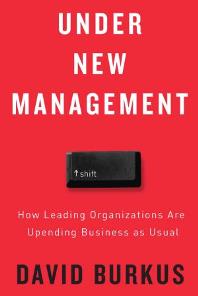 Outlawing email is one far-fetched theory that might just be crazy enough to work. Burkes highlights information published by the University of California, Irvine, that an employee spends an average of twenty-three percent of their time checking emails–checking their inbox thirty-six times an hour (as cited in Burkes, 2016, p. 16). Hughes–a California-based organizational development consulting firm–banned email, learning that ditching this blunt tool actually increased productivity while decreasing stress (Burkus, 2016, p. 18).
One time I witnessed my colleagues spend three hours tossing more than sixteen emails back and forth about where they wanted to go to lunch. Moreover, when it was time for lunch, no one had decided anything. These moments of comedy at the office may seem harmless. Nonetheless, the stress that ensued once they returned from lunch and realized they were not prepared for a meeting left no humor on the table. I am not advocating that placing a ban on email would have fixed this scenario. However, change regarding email protocol was enviable.
Burkus wrote this regarding the efforts another company experienced regarding change:
“Turning the hierarchy upside down required making managers accountable to frontline employees and ensuring that those in the support functions (finance, training, human resources, and so on) actually supported the frontline employees, instead of insisting that they follow the hierarchy’s rigid system.”
Not all of the content within this book may work for your organization, and some of the theories may seem futuristic. Nonetheless, every theory that Burkus presents is supported by success stories. From Zappos offing their new hires a quitting bonus, to Starbucks putting employees–not customers–first, flipping everything that we know about business upside down can have an amazing effect on productivity, moral and profit, according to Burkus.
Discover more from Improvement Habit
Subscribe to get the latest posts sent to your email.